Driving is the freedom play
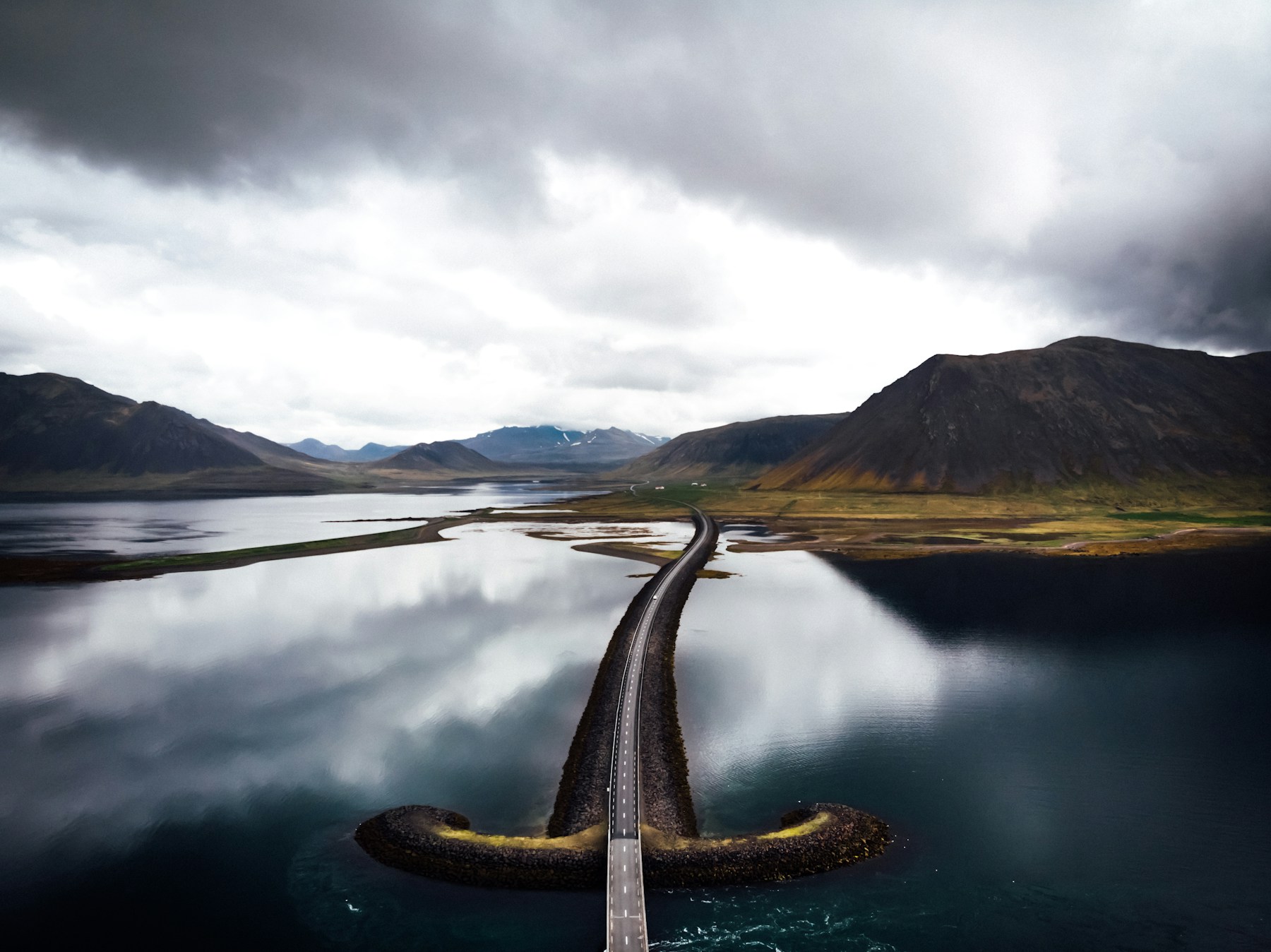
The main roads are straightforward, but wind is not a joke. Park into the wind, open car doors carefully, and treat exposed stretches with respect. F-roads require proper 4x4 access.
Land of fire, ice, steam, and weather with opinions
Black-sand coasts. Geothermal water in impossible shades of blue. Long twilight in summer, slow-moving aurora in winter, and roads that make every detour feel like the right one.
A strong opening move
The best version of the trip usually combines one city base, one or two deeply scenic drives, at least one geothermal ritual, and an acceptance that the weather may rearrange the whole script.
Start here
Conditions change quickly. The smartest move is to rely on Iceland’s own tools, book the obvious heavy hitters early, and treat the road as part of the destination.
The main roads are straightforward, but wind is not a joke. Park into the wind, open car doors carefully, and treat exposed stretches with respect. F-roads require proper 4x4 access.
Sunshine can turn a good landscape transcendent. Cloud breaks matter. Strong aurora with clear skies is rare enough that it is worth pivoting for.
A phone is enough for navigation for most travelers. An eSIM keeps route changes, weather checks, and last-minute bookings simple on the road.
Drinks add up fast in Iceland. Airport duty free and a short stop at Bónus or Vínbúðin can change the economics of the week.
Reykjavik basecamp
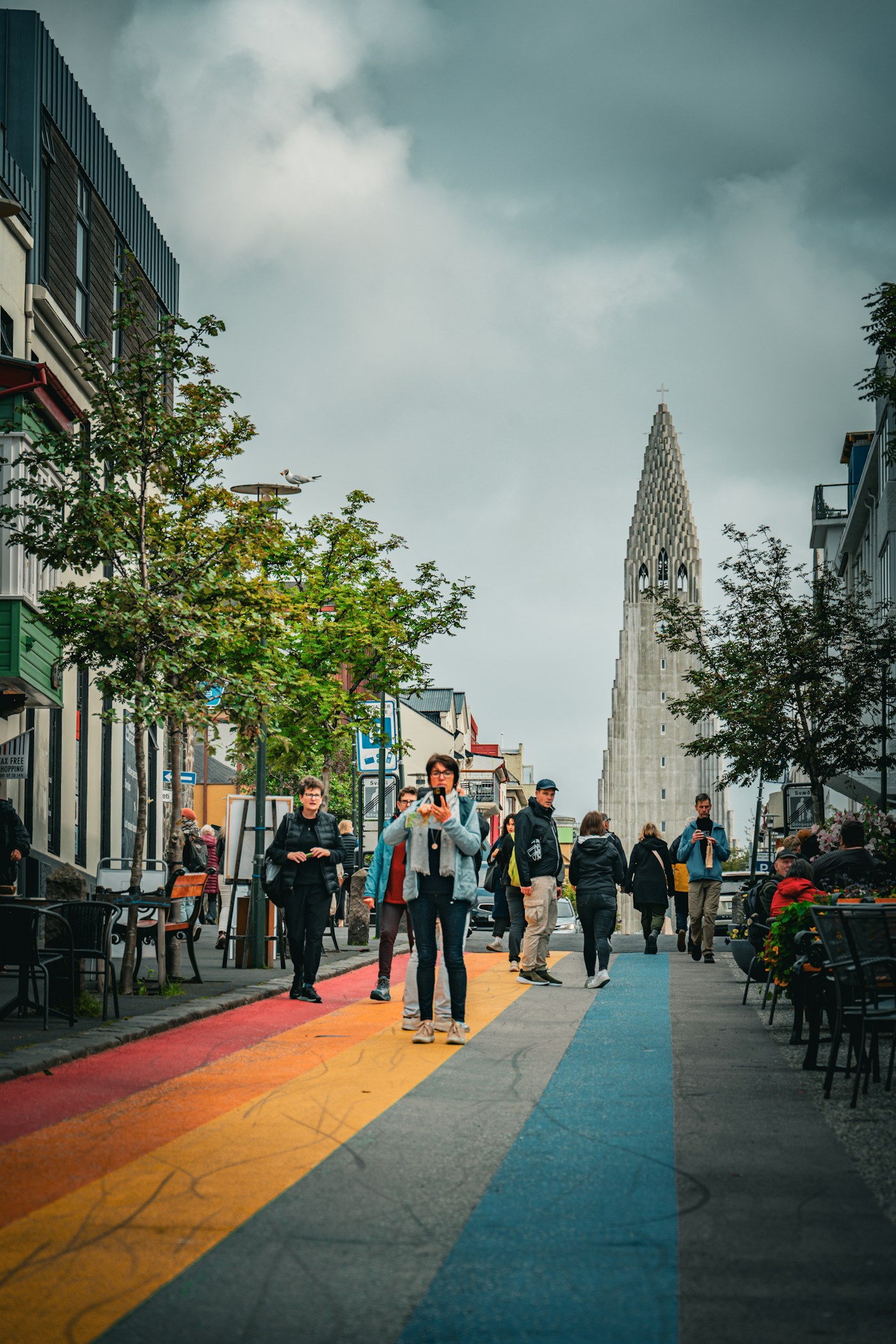
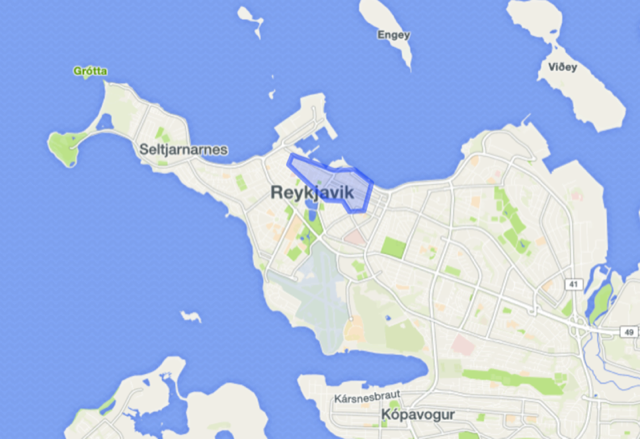
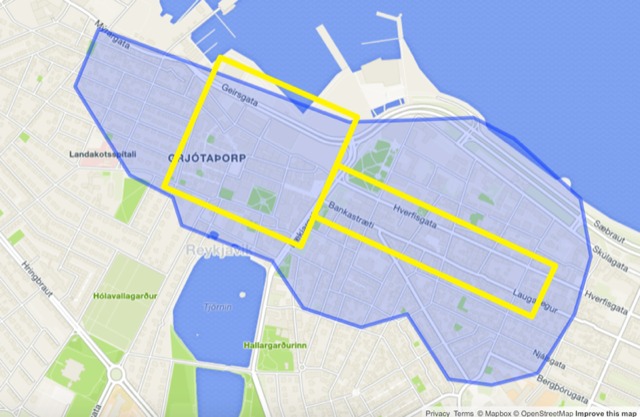
The sweet spot is central, walkable, and a little east of the dead center of downtown. That keeps restaurants, bars, Hallgrímskirkja, Harpa, and the best wandering streets close without turning every night into a logistics problem.
The drives
Build the trip around one or two of these rather than trying to “see everything.” Iceland always gets better when there is time to stop for the unplanned turnout, the side road, or the patch of sudden light.
Saved map atlas
Signature mode brings the strongest stops to the surface first. Archive mode keeps the full field of saved detours, hot springs, city bites, and scenic oddities within reach when the day wants to go off-script.
Steam and silence
Iceland does scale beautifully, but part of the magic is the contrast: standing in wind and drizzle, then sliding into mineral heat while the sea, cliffs, or lava field stay right in front of you.
Reykjavik after dark
Reykjavik is compact enough to improvise and good enough that a loose plan works beautifully. Walk uphill to the church, drift back toward the water, and let dinner turn into drinks without needing a cab every hour.
If time is brutally short
One night is enough for the island to cast a spell if the route stays tight: one iconic drive, one city evening, one elevated view, one geothermal exhale.